Thursday, June 7, 2018

MPMS Presentation


Last Friday, Gabe Mando (4th period) and I went to Marin Primary and Middle School --MPS-- to present about sustainability and our sustainable agriculture class. Our presentation was pitched to a class of about 20 6th grade students. We tried our best to incorporate the most important topics we learned this year into our presentation. These include soil testing, double digging, watering and planting methods. We also explained how we work in our class to be sustainable and use BIOSORN as a guideline. In an attempt to engage the kids that we were presenting to, we brought soil from the farm and from Heatherwood Park and let the kids do soil testing to determine the composition of the soil. Our farm soil was very close to Loam on average and the other soil was much more sandy (not as healthy). The kids had fun getting their hands dirty and learning about how they can use different feel tests to determine the sand, silt, and clay compositions in the soil that they were holding. An objective of our presentation was to educate the students on SustAg as a class and encourage them to one day take it when they go to Redwood High. We explained projects we do and trips we take such as the one bed project, market days, and our field trips this year. Overall, our presentation was very successful and we received a lot of good questions and feedback.

Tuesday, June 5, 2018

2018 Final Projects

See many examples of our Final Project work from this spring (2018) here:
https://www.facebook.com/pg/redwoodsustag/photos/?tab=album&album_id=2154408008114767

Thank you for all of your hard work and your positive contributions!

Sincerely,

Mr. Stewart

Thursday, May 31, 2018

Sustainability at Hall Middle School


This week in Sustainable Agriculture, my partner and I went to Hall Middle School to present our final project on Sustainable Agriculture. We were hosted by a 7th grade science teacher and presented a slideshow on the class, as well as talked about sustainability in our community and ways they can get involved both in sustainable agriculture and by practicing sustainability. The kids were very engaged by asking questions throughout the presentation and seemed very interested in the class and inspired to practice sustainability in their everyday lives.

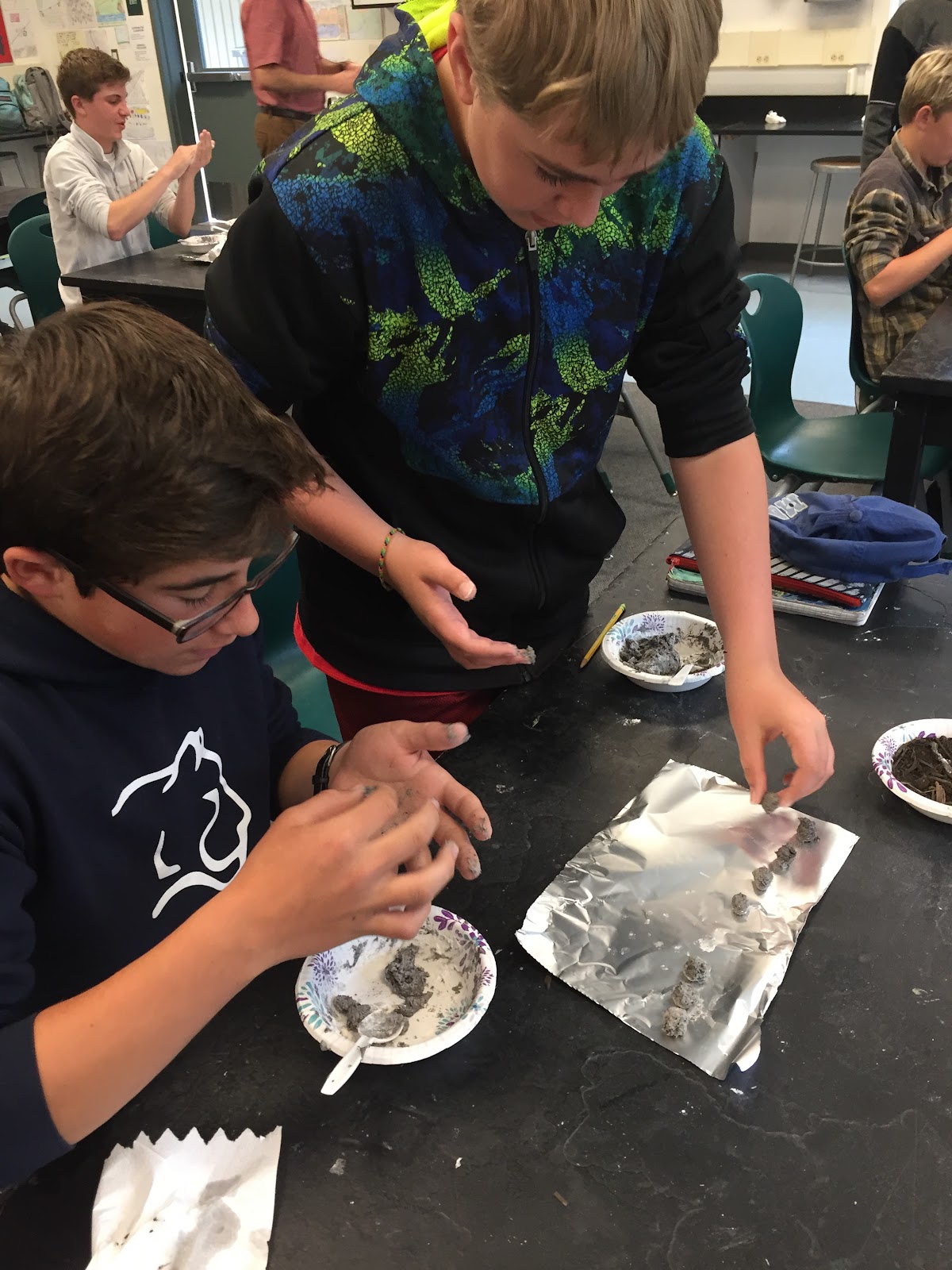
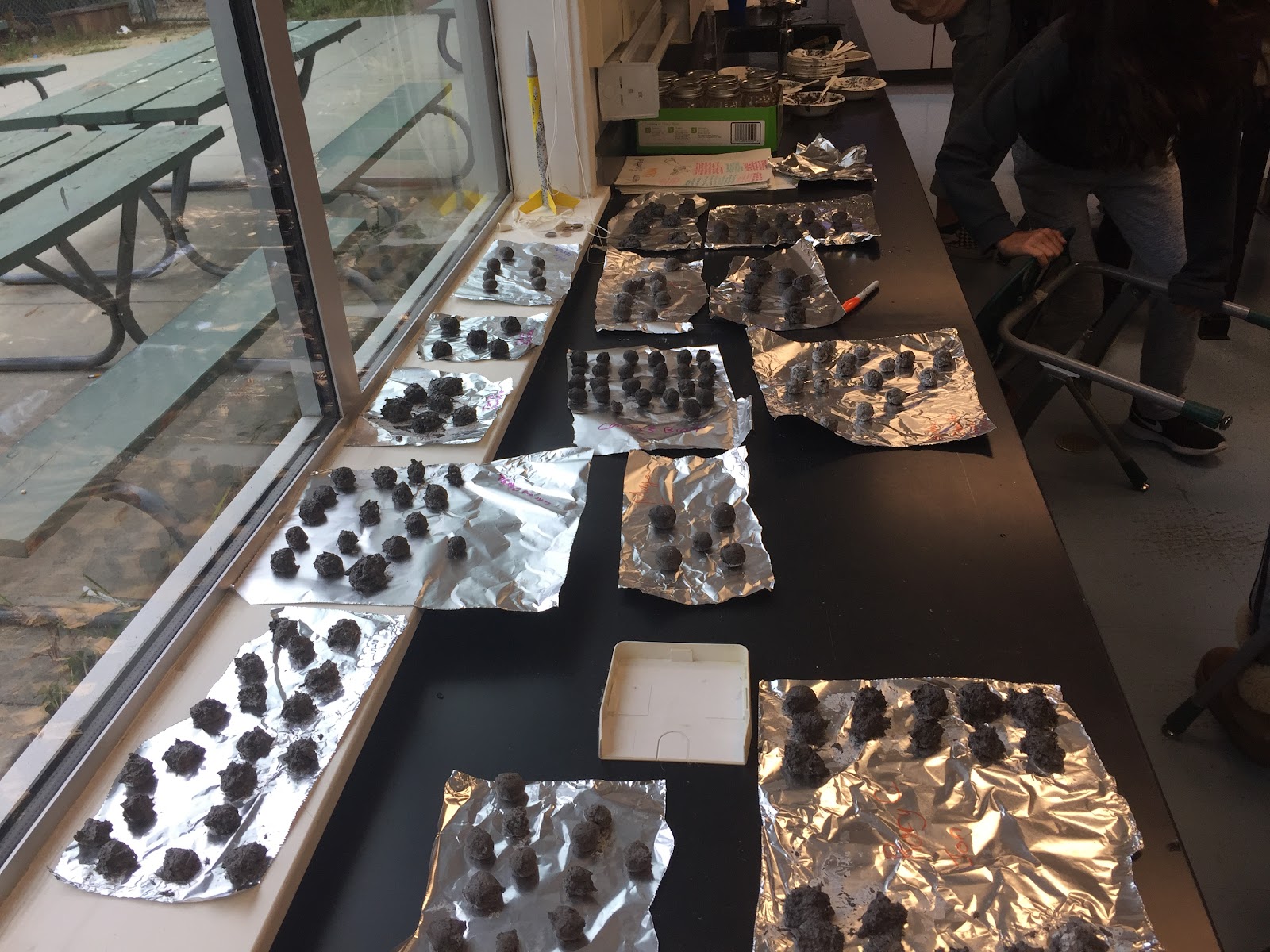
Once we finished our slideshow, we did an activity to have the students practice sustainable agriculture in real life. We all made seed balls. Seed balls are a ball containing seeds, compost, and a binding material such as flour. Because the materials are in a ball, the seeds can't be eaten by pests and won't blow away in the wind. To make them, you combine the dry materials and add water to create a putty texture, making sure it isn't too runny or dry. Then, you take a small piece of the formed mixture and roll it in the palms of your hands to create a marble sized seed ball! After they are formed, let them dry and then simply toss the balls into the area where you want flowers to grow and they will sprout there! The 7th graders were all smiling and laughing when doing this activity and the resulting seed balls were perfect.


Cooper McLay

Last Market of the school year


On Wed. 23, our Sustainable Agriculture prepared for our final market. In order to have a thriving market, we prepared a variety of plants and vegetables. In addition, since it was our last market, we harvested all available crops to sell. It was an especially busy day on the farm, with students doing an array of tasks to prepare such as harvests, preparing bundles of crops, and recording our harvests. This week at school it was also Sustainability week. In honor of this week our class held an extra market time during lunch. 
To prepare for our market, each students harvested crops from their A-bed (our individual group beds) as well from beds around the garden. During 4th and 5th period, on this foggy day, students worked hard to get a number of crops available. Once the crops are harvested from the beds, we weigh and record what we picked so we have a record of what we grow. Then we clean and trim excess stems or roots so they are ready to be bundled. Each bundle is sold for $2. As seen below, students are bundling harvests such as flowers, salad mix (kale and lettuce), celery, strawberries and garlic.
My group runs bed A11. We had an especially successful day and harvested all of our crops, leaving 2/3rd of our bed empty. Our most abundant harvest was our garlic. Our garlic has been growing since November and was finally ready to be taken out. We knew it was time for our garlics to come out because the previously tall green leaves were now a yellowish brown color and were slowly wilting. We had about 13 garlics planted—weighing a total of about 1.91lbs. We also picked carrots, radishes, kale, and lettuce. Our kale and lettuce we contributed to the salad mix that we were selling. 
In the future, our farm will start being prepared for the summer as it awaits its new Sustainable Agriculture classes. 
Jordan Overmyer


Last week on the farm

This week on the farm was busy but efficient. The class broke up into groups and worked on their projects for the farm that they chose. These projects were based on ideas that the students thought would improve the quality of the SustAg farm.  Our group's idea, for example, was to create a raised bed. raised beds are more soil efficient and we believe the time we would put into creating one would be worth the output the raised bed would generate. We used cinder blocks and logs for an outer barrier and dug a trench around our location for the walls we would be putting in later. This week was also sustainability week. On Wednesday and Friday we had speakers come in to talk to us about the dangers of both global warming and invasive species. Both issues are important and relevant to the class, and climate change specifically is something our farm is meant to counter. This was another successful week on the farm, and we're hoping for many more. -Zoe

Sharing the FARM


Educating children and other people who contribute to society about being sustainable is important. Growing knowledge into the community is a huge part of how we can make a change because if more people are aware of how us as humans affect the environment, we can change our ways.
Ways we can educate people are being more sustainable in our homes (taking shorter showers, and composting), and limiting waste.
I took these methods into Bacich Elementary school where I stood in front of 40 2nd graders and asked them how they contribute to sustainability. I brought paper cups, sunflower seeds, and compost from the RHS farm so that they could experience what we do every day in sustainable agriculture. The 2nd graders were surprisingly very knowledgeable about these environmental factors, but my goal was to expand that and make sure they knew everything that I did. I narrowed it down so that it was more understandable for them, and they absorbed the information like sponges.
The 2nd graders had a lot of fun learning and they loved the concept of making changes in their homes, and bringing their sunflower seeds home so they could make sure they grew.  I also had a lot of fun because every single hand In the room shot up when I asked a question and when I asked for input.
Overall, educating students and adults is an important factor and it is a way our community can make a difference and save our planet.:)

-Kaitlyn Yang


Wednesday, May 23, 2018

Some words about last week from Aiden

Last week on the farm was a strange week due to the fact that many people in the class, including me, had AP testing on some of the days. Much of the work we did on the farm consisted of working on our final projects, however on Wednesday we took a break from this and did our final iron chef competition. The secret ingredient for this round was fava beans. Many had worked the Tuesday and Monday before to shuck the beans, and they were ready to be cooked by Wednesday. Groups prepared everything from fava bean tater tots, to fava bean bruschetta, to fava bean toast. Although all the groups made delicious entrees, the winner was the team that made the fava bean tater tots. Many believe that this may have been a conspiracy, as this group was the only one that hadn't yet won an iron chef, however there is nothing that can be done about that now. Other then the ever eventful iron chef, the work on our final projects has been fulfilling. My partner and I were able to fully finish our digging of an irrigation trench for the week, although I will admit, the work was mostly his as I was gone for AP testing.