Friday, March 23, 2018

A Week of Hydroponics and Lots of Rain!


This week in Sust Ag was very exciting because we had 6 guests come to talk to us about their jobs and the methods they use to be sustainable.
On Tuesday, Stan came in to talk to us about hydroponics. Hydroponics is basically growing plants in a water and nutrient solution. It was started by the aztecs and is still used today, especially by people who want to conserve water and land space and want to have direct control of the roots of your plants. One reason hydroponics is a good growing method is because it isolates the plants from soil borne insects, diseases, and animals. Some other benefits of growing hydroponically are you get a higher yield, no runoff of fertilizers, the veggies can potentially have a higher nutrient content and taste better, and you save a lot of water. Unfortunately, growing organically using the hydroponic method is difficult outside especially because you have to constantly adjust the ph and the other nutrient levels. One thing he said that I found really interesting is that you can't use a white or clear bucket to grow plants in because too much light can get in, it can promote algae growth and can promote the growth of diseases. He said with hydroponics all you have to do is "plant and walk away", it's that easy (expect if your trying to do it organically outside.) Hydroponics can't replace soil culture for many reasons but it is still a good option if you want to try it.
On Wednesday we listened to a panel of speakers talk about their various jobs relating to agriculture. They talked a lot about how new government leadership has affected their work, what they do to support sustainability and what they love about their jobs.
Overall it was a super interesting and informative week!

Grace Willens


AARON'S SPEECH


A couple weeks ago we got a visit from one of Mr. Stewart's old students who came to redwood to present on what he is doing currently doing in his life. 

He started to work on farms with sheep, goats and cattle. They are very easy to work with and help with having a sustainable land. He used a system called sweetgrass grazing which help support diversity in the farm. The presentation was very interesting and he showed people flyers of a program that he makes available during the summer, teaching kids about working on farms and being with animals with hands on experience. 

On block day we worked on our management jobs, my group and I wheelbarrialed a thing of wood chips over to the ground where there are weeds growing. On friday we have our field trip to IVC to learn about the farm there.  

kelsey

Tuesday, March 13, 2018

Indian Valley Campus Organic Farm and Garden Field Trip


Bright and early, at 8am Friday morning, 60 excited sustainable agriculture students gathered around Mr. Stewart before grouping up and heading out to the IVC Farm for an educational work day. We departed for the farm with our notebooks, pencils, water, and positive attitudes for the day ahead of us. Upon arriving, we were awe-struck by the beauty of this campus. Surrounded by rolling hills and pristine nature, we could finally get away from the air, sound, and light pollution that we were accustomed to. 

We met the team that would be leading us: Johnny (who has a great laugh!), Vick (but never Vicky), Teily, and one other. An initial tour of the farm left us somewhat surprised. A majority of the land was being let bare, which we had learned is a huge "no-go" due to the soil's susceptibility to erosion and the loss of nutrients. Although, because it is winter, new seedlings would not grow, so there was no other option. Mr. Stewart mentioned how seeing all the open space makes him feel better about our farm at Redwood in regards to having lower yields at this time of the year. When we continued the tour, we saw a large hoop house to grow seedlings and allow for season extension (start season early and end late). Furthermore, IVC Farm created a rock trench to divert the water stream from the surrounding mountains away from the field (to prevent erosion). The tour came to its end at the compost and mulch pile. The mulch pile was steaming from the microbes respiring within it. We learned that the farm's soil has 6-8% organic matter, and that they do not make their own compost as there is too much ground to cover. 

We were separated into four groups and finally got to work! For group B, we started off in the planting house to do some weeding, planting, and maintenance. A few students got to try the world hottest pepper, the Carolina Reaper! Talk about spicy! After around an hour and a half, we rotated jobs. Group B's next task was to sift the soil for potting plants and to create more soil. We got to experience first-hand how much water organic matter can absorb (A LOT), and learn what IVC does to maintain nutrients in the soil. Lastly, part of the group carried breezeblocks behind the sheds to create a temporary compost center. Meanwhile, a nearby group was painting tools. An enthusiastic student, Anna Kaufman, stated "I would like to paint the tools at the Redwood farm for my final project. It's fun, and makes a huge difference in the aesthetics of our materials." I'm looking forward to seeing our tools as colorful as IVC's! After lunch, we all heading out for our last rotation. Group B was lucky to work with Mr. Stewart adding mulch and fertilizer to the olive trees in the orchid. Wheelbarrow after wheelbarrow, we made immense progress and finished over 2-3 rows. 

It took a lot of time, work, and sweat, but we could see a physical different in the farm by the end of the day. We saved their team 3 weeks of work by helping them out for just one day! In return, we got to spend our day with these wonderful individuals surrounded by trees and wildlife rather than being cooped up in a stuffy classroom all day long! I'll choose farm field trips over that anyday! 

Isabella Karman


Friday, March 9, 2018

The Power of Mulch

Hello Sust Ag students! It may still be winter but spring is right around the corner and the farm is beginning to buzz once again with activity. This week we finally received our long awaited shipment of wood chips, and right in time because they were definitely needed. By placing down strips of cardboard over soggy soil we can create a platform that is better for walking on. We can further create a sturdier ground by placing wood chips on top. This was the main focus of our block period on the farm. Making sure that the area surrounding compost is no longer soggy as well as the path leading to it. After strategic placement of cardboard followed by the wood chips we successfully turned the soggiest part of our farm into a stable platform to continue the recycling of nutrients through our biointensive system.

Wood chips are being used on our farm to create walkways but they can also be used for mulching. A practice that covers the top of the soil in order to protect it from erosion, water evaporation, weed invasion, and a multitude of other reasons. The wood chips we received could be used to help regulate the temperature of our soil as well as add texture to further improve the soil quality.

All in all everyone is happy for the receipt of our precious wood chips. We no longer have to walk through squishy mud and we have a great way to regulate our soil in order to keep it nutritious for years to come.
- Aidan Rankin-Williams

Wednesday, March 7, 2018

Diversity in Sustainable Systems

Our current unit of study is about sustainable systems.  Having spent most of our previous time studying how to farm at Redwood's organically certified biointensive SustAg FARM, we are looking at livestock farming, permaculture, hydroponics, and other local agricultural systems.  We are also considering the role of relationship and community in sustainable systems.  What makes a system thrive and be "sustainable"?  In addition to considering that from an ecological perspective, we are also addressing social, policy and economic factors.  One key theme is diversity.  Promoting, respecting, and understanding diversity is essential to rich working systems: whether considering soil health, compost, succession, plant companions, investment portfolios, our classmates, or the larger community around us.

--Mr. Stewart

Tuesday, March 6, 2018

Lactic Acid Fermentation


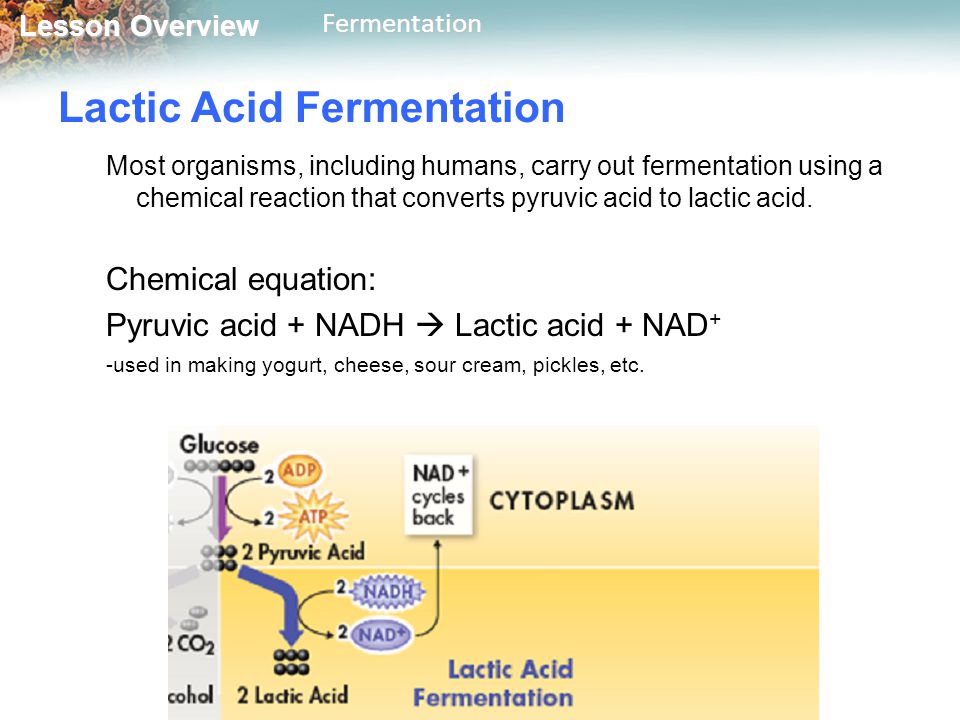
Two weeks ago on Wednesday the 24th, we met out on the farm for class to harvest any last hard vegetables we wanted to use to make pickles. Some students also brought their own hard veggies, including a mason jar which we fermented them in. The recipe for pickling requires a salt water brine and a half cap of vinegar which both encourage fermentation, and in addition we had extra add-ons for flavor such as a variety of spices and even sriracha sauce which I added to mine. We also learned that the more sugar you add to your mix, the more spicy it becomes as it ferments, because it turns glucose into lactic acid, and the more glucose there is the more lactic acid will be produced. The pickling process happens fermentation which is actually called Lactic Acid Fermentation. It takes the sugars in a vegetable that might make it taste sweet at first, into lactic acid which produces a whole new taste for the vegetable. This process can vary in time from around a week to even years, depending on how you want it to taste. The amazing thing about fermentation is that it can give food a much longer life and also make food a lot more beneficial to eat because it creates vitamins and minerals. This makes it such a valuable process which is used all around the globe, having both economic and health benefits.

-Alex Aguero


Friday, March 2, 2018

Student Log: 2/26-3/2


This week we all came back to the farm after a much needed mid winter break. Previously we had begun to plant seedlings in preparation for the spring, which unfortunately had difficulties growing as a result of the cold weather and lack of attention. Fortunately over the break, certain individuals tended to the farm, making sure each area was properly watered and that they were properly maintained. We returned to the garden and immediately began working on our new management jobs, however this job rotation we are working with new people outside of our one bed groups, giving us the opportunity to work better with the other farmers in the class. My new group worked very hard to repair the damages done to the watering systems, the compost group began sifting the compost prepared in october and the maintenance group laid down some more paths around the beds.


After spending a sufficient amount of time on our management jobs, we worked on our group one beds, allowing us time to revive the plants that struggled over the break. We were able to come up with a concrete plan on what we are going to plant for the spring with the extra space we have in the bed. We were delighted to harvest a massive reddish that grew in our bed.


After a very stormy Thursday night, we returned to a very soggy farm. In effort to preserve the soil and seedlings. We worked mainly on our one beds, weeding and making sure each plant was surviving the weather conditions. We harvested some of the lettuce growing in the class beds, which made a delicious salad! We also found a few strawberries that were absolutely delicious.
Our classwork surrounding sustainable design has already began to help us in planning for the spring. We are all very excited to experience the Indian Valley College of Marin campus and their sustainable farm design. Overall this has been a productive week on the farm and I am excited for all the growth the farm is about to have.


Olivia Carrel😊