Monday, October 9, 2017

Iron Chef - Why?


FullSizeRender.jpgIMG_6014.JPG FullSizeRender.jpg
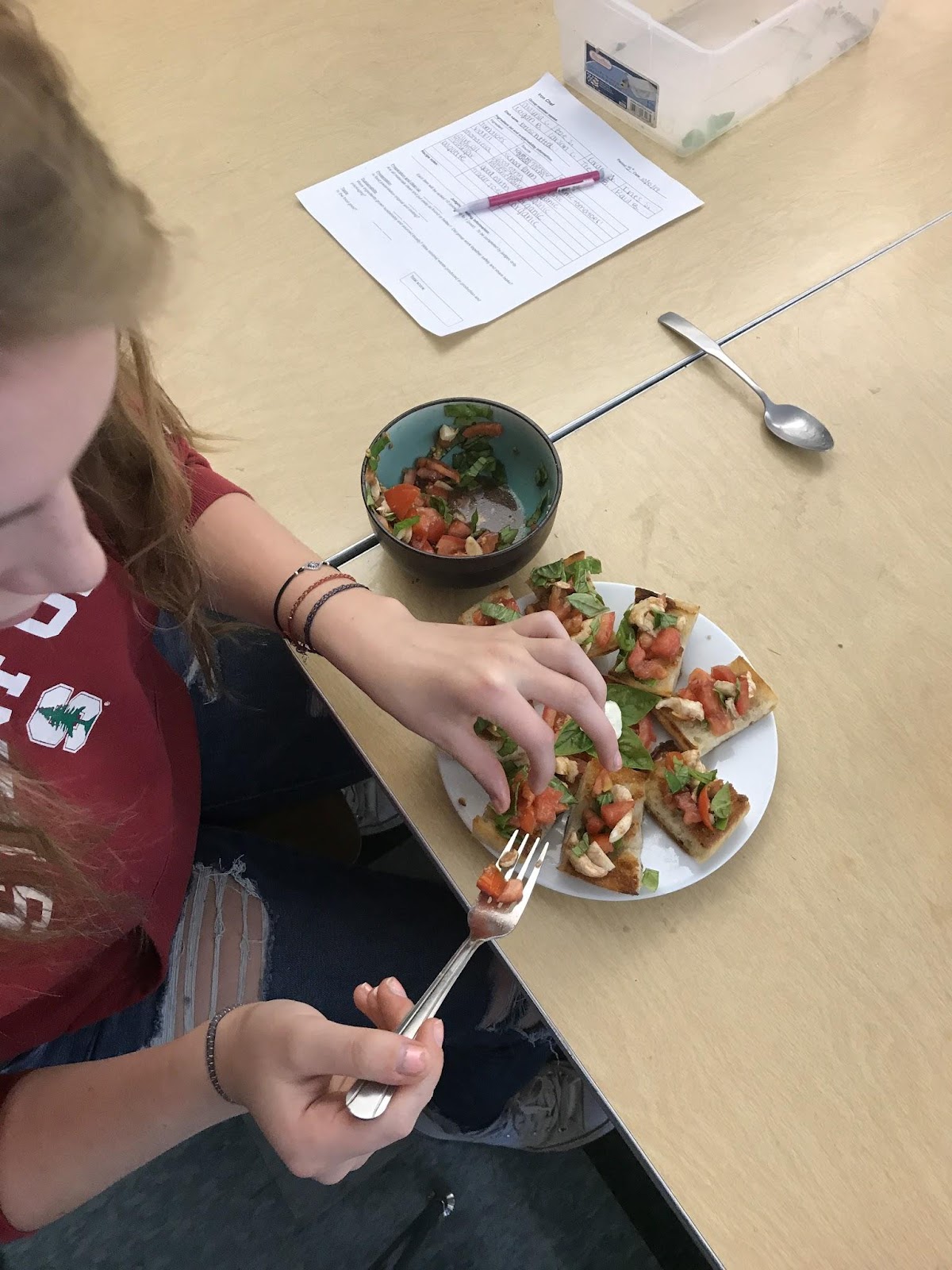
This week in sustainable agriculture, our main focus was realizing the importance of the fresh, organic produce we create on the farm. Our class was told to partner up with another bed group, to work together on the Iron Chef competition. This assignment required our group to use the fresh produce harvested on the farm to create a delicious meal. We decided to make bruschetta, which consisted of tomatoes and basil harvested from the farm, as well as mozzarella, olive oil, vinegar, salt, pepper, and a baguette which were store bought.
Fresh produce is truly more nourishing and satisfying. Grocery stores are filled with fruits, vegetables and herbs that have often been grown hundreds of miles from our kitchen. These plants then have to be packed, shipped, and displayed, which destroys flavor and nutrients. But here on our sustainable farm, food is grown in the purest, freshest form. The food we harvest is not only the most beneficial nutritionally, but it is the tastiest way to enjoy fruits and veggies. When you grow your own food, you know what goes into it: how it's fertilized, whether or not pesticides are used, and overall care. I can now grow organically and eat organically, reducing the size of our carbon footprint. After spending time caring for these plants, I had a deeper appreciation for the meal we created. This taught me the powerful connection between the origin of food to the dinner plate.

Shayna Cohen


Saturday, October 7, 2017

Spacing


This week we focused on planning and planting our 60 SQFT beds. This involved deciding which plants we were going to plant and how much of the bed each plant is going to take up. Further more, each plant requires a different amount of space around them to be able to grow to their full potential. This is because the root structure of each plant type is different and planting crops with a wide root base close together would hinder the plants ability to grow because the roots would be competing for the same nutrients in the soil. Providing adequate space in between each plant allows the roots to spread out to their natural distance and absorb the maximum amount of nutrients from the soil around them. Spacing can also maximize the number of plants that can be planted in each bed. Intensive spacing is the method being used in our beds and includes planting each plant in a staggered lattice pattern which better utilizes the available space than planting in rows.


​
Dutch Kemp


Pop Quiz!


This week on the RHS farm, we had an extra farm day, giving us more time to do more work. On Tuesday the students finished their "pop quizzes" from the previous friday. Paths were finally laid down around them, giving the B and E beds easier access.Since the grading period is coming to an end, each group wrapped up their maintenance jobs. The compost group has continued to add to their compost pile and sift through the older, composted soil. Below shows the first week of the compost pile versus the fourth week of the pile. The group is constantly collecting the compost from the cea to use.


On Wednesday there were very few students so the class focused on little things around the garden. Group A2 planted the entire C2 bed with bell beans. We welcomed in a few students from Mr. Kellermans Economics class. They were very helpful with weeding and planting, as well as simple jobs around the garden. A few students paid some attention to the trees outside the garden and weeded around them, a quite difficult task since the soil is so dry and compacted. The quiet block period was actually quite enjoyable and mellow, and a special thanks to our temporary helpers from economics.
Due to the threat on Friday there weren't that many students present. Nonetheless we continued to clean up the garden. Some students helped bring more stumps to our meeting area and cleaned up along the back fence. There was a poth laid down along the back fence. Hopefully the composting area is moved back there to make for a prettier landscape. One group bought sweet potatoes from the farmers market and finally planted them today, hopefully they continue to thrive. After a simple but productive week we are ready to get our new maintenance jobs and start our new unit.

Olivia C

Iron Chef #3


This week in Sustainable Agriculture we had an Iron Chef competition. Groups of eight competed to make the best dish out of sustainably grown food. At the beginning of the period, we went out to harvest our ingredients from the farm. Some groups also brought in produce from home, like fresh eggs and honey. My group harvested tomatoes, onions, bell peppers, basil, mint, raspberries, and lemon verbena. We also brought in honey from a friend's beehive, eggs, and potatoes. When we returned to the classroom, we had about 40 minutes to prepare our dish.
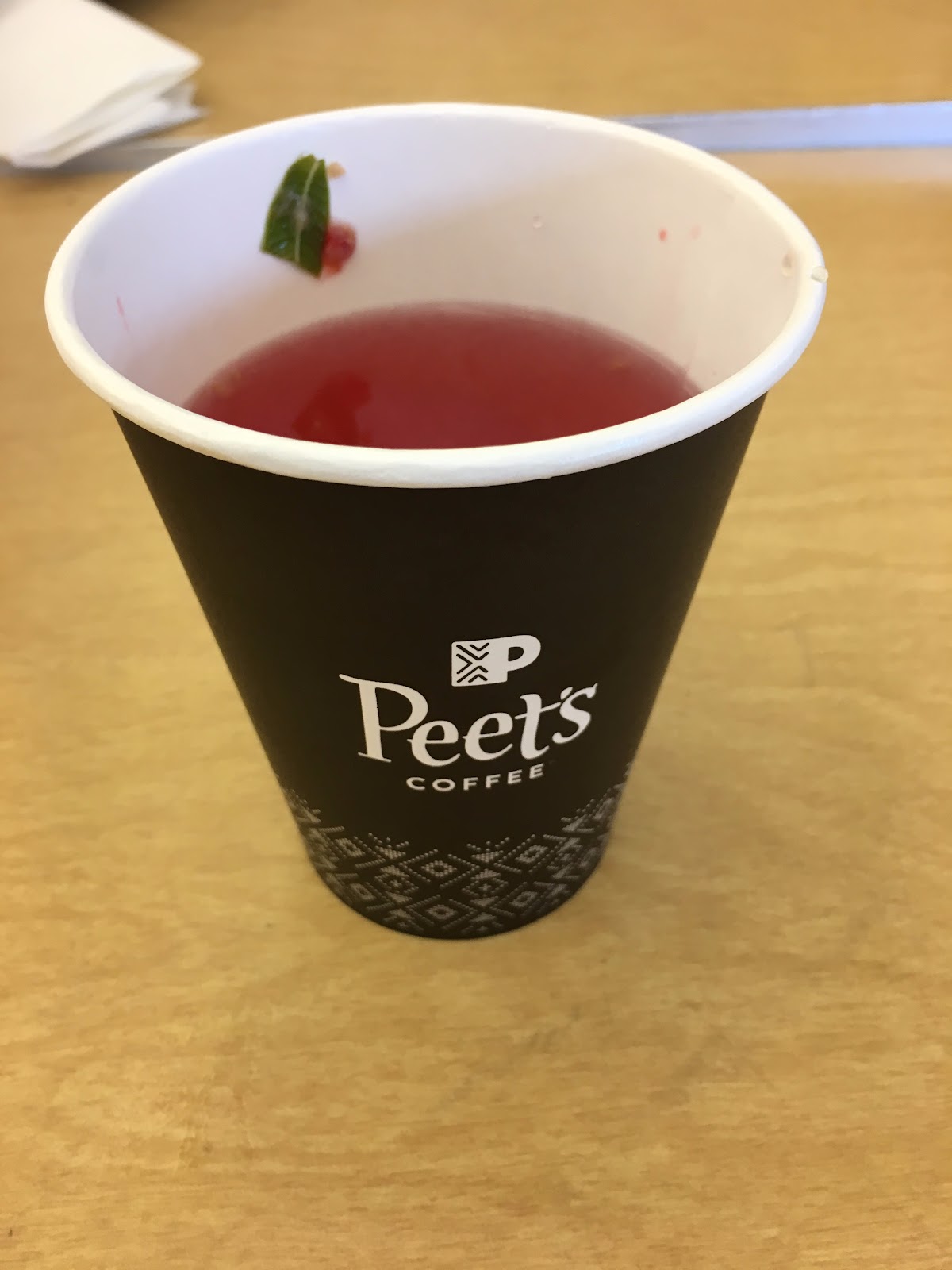
We decided to make a scrambled egg dish, hashbrowns, and tea. First, we chopped and sauteed the green onions. Then we sliced the potatoes into long thin pieces, and sauteed them with salt and pepper. While the potatoes were on the stove, we chopped up the onion, bell peppers, and basil for the egg scramble. Some members in our group made tea out of the mint, raspberries, and lemon verbena. When the potatoes were done, we scrambled the eggs with the tomatoes, basil, onion, and peppers.
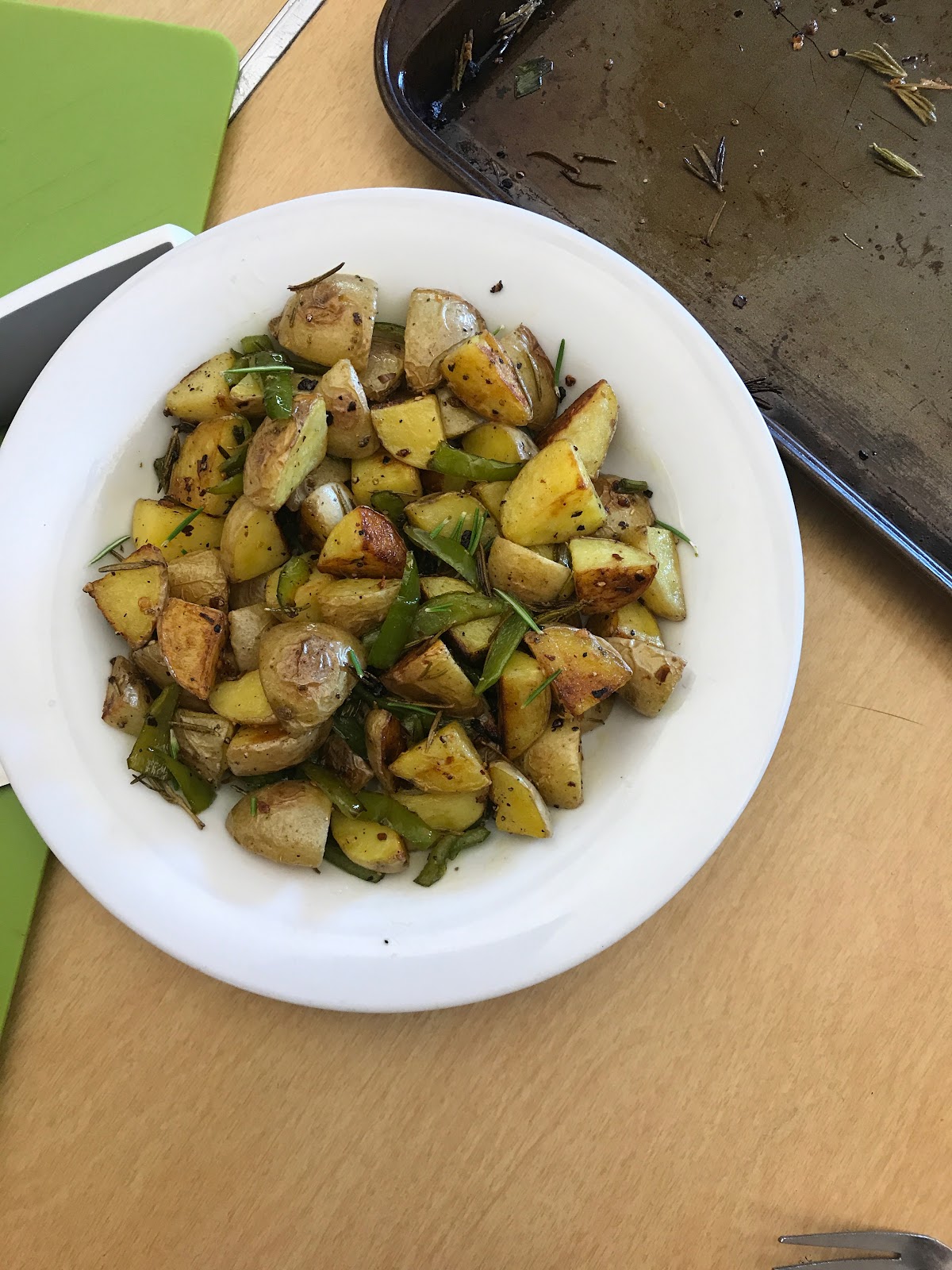
When time was up, each group gave Mr. Stewart their final dish. Other groups made raspberry jam, roasted rosemary potatoes, and another egg dish. Mr. Stewart graded the dishes on preparation and cleanup, presentation, sustainability, and taste. While everything was delicious and beautifully prepared, my group ultimately won the Iron Chef!!
Overall, this experience was really fun. My group had a lot of fun harvesting and preparing our food. I enjoyed the challenge of making food from entirely sustainably produced ingredients, and it is nice to know where all your food comes from.

By Emerson Cole

Iron Chef #2


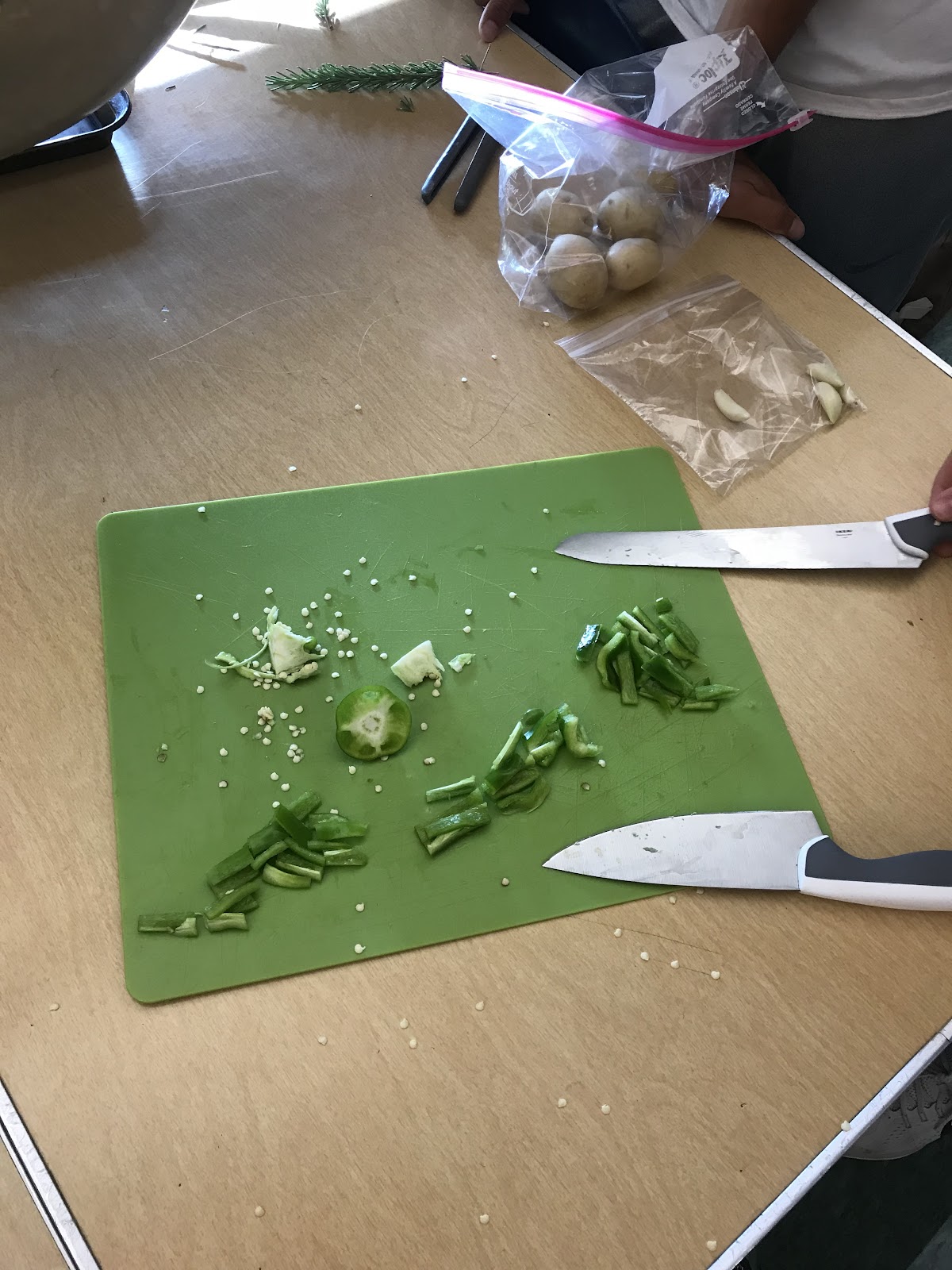
This week on the farm we harvested some of our fruits and vegetables that were ready to cook and held an Iron Chef competition surrounding those crops. On block day, we spent the first ten minutes of class searching the farm for ingredients to center our Iron Chef dishes around. My group chose to pick bell peppers, onions, and rosemary to go with our sustainably grown potatoes brought in from outside the classroom. Once our ingredients selected, we returned to the classroom where the competition would take place.
The class was split up into four groups who would all prepare a dish to be judged by Mr. Stewart. My group began by quartering our potatoes and mixing them with olive oil and bits of rosemary in a bowl. We then spread them on a baking dish and put them in the oven to cook. While the potatoes were cooking we chopped onions and peppers to be sauteed with the cooked potatoes. After cooking the potatoes for twenty minutes we finished the dish off on the stovetop with olive oil, chili flakes, salt and pepper.
The final step of the competition was the judging process. Mr. Stewart along with another judge taste tested the four dishes and determined a winner. Although our group did not win the competition, our dish was the most widely eaten by the entire class and was completely finished. The Iron Chef competition was one of the most fun days i've had in a classroom and I look forward to the next one to hone my cooking skills.
-Luke Zlatunich
IMG_9512.jpegIMG_9519.jpeg

Iron Chef! #1


This week our class had our very own Iron Chef cooking competition!  We collaborated in groups to create a sustainable dish of our choice using produce from the farm and other ingredients that we brought from home.  First, we went out to the farm and harvested and weighed our desired produce.  When we returned to the class, we began cooking.  All groups had access to a burner in case the meal required cooking.  In addition to the burner, Mr. Stewart provided us with the basics: salt, pepper, a measuring cup, bowls, and silverware. Once complete, the dishes were eaten and judged by the best critiques-Mr. Stewart and Scott. The meals were compared by their taste, sustainability, presentation, and preparation.  It is ideal to have little compost or garbage afterwards as it wastes the produce and is unsustainable.  In order to win, the entire group had to be involved in the process by helping cook and clean.  Presentation was key and the groups took great pride in their meal's creative display.  As for presentation, the groups were required to fill out a form recording specifically where their ingredients were acquired from.  

The winning dish!  Elbow pasta topped with marinara sauce:
Before    After!

By: Olivia Treadway

Monday, October 2, 2017

Farm Companions & Pests


​Farm Companions & Pests

In the sustainable agriculture farm there are many different animals and insects that contribute to the growth and health of the garden.  Having more diversity in the beds is always a good sign.  My time in the farm has shown me many different animals and creatures benefiting the plants and ecosystem we have created.  I have observed finches eating and distributing seeds, worms creating compost, hawks keeping the mice in check, ladybugs eating aphids, and many more organisms but one of the most beneficial insects being the praying mantis.  The praying mantis continuously hunts for a range of insects including flies, crickets, caterpillars, grasshoppers and moths that it traps easily with its long barbed legs that move incredibly fast. By eating these insects it cuts down on the number of insects who eat plants, protecting our crop like a natural living pesticide, without the pollution or poison.  The only downside of having these mantises in the garden is that they eat such a wide variety of insects that they will eat them all, including the beneficial bugs to the plants like honeybees and butterflies.

Another insect I observed was the cucumber bug, commonly mistaken for a green ladybug, these insects are pests in the garden.  They feed on the leaves of vegetables, as well as soft fruits and flowers, while the larvae eat the roots of plants.  Many general predators are known to attack the cucumber beetle.  Another pest for the praying mantis to feast on.

Zoe Stachowski